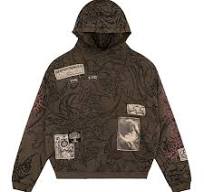
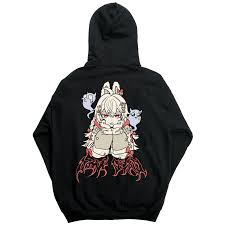
Exploring Alternative Streetwear Culture – Influence of a Bold UK Label
Alternative streetwear has become more than a fashion statement—it is a reflection of identity, creativity, and subcultural expression. Emerging from underground music scenes, independent art movements, and youth culture, this style is characterized by bold Drop Dead unconventional designs, and a commitment to authenticity. Certain UK labels have played a pivotal role in shaping this movement, inspiring enthusiasts globally to embrace clothing as a medium of personal storytelling.
Origins of Alternative Streetwear
Streetwear initially emerged as a fusion of skate, punk, and hip-hop subcultures. Unlike mainstream fashion, it emphasized individuality, self-expression, and DIY creativity. Alternative streetwear, in particular, takes these elements further by embracing darker aesthetics, rebellious motifs, and artistic experimentationDesigners within this scene often draw inspiration from music, gaming, and underground visual art, translating these and Shop Drop Dead hoodies into wearable pieces. The clothing communicates cultural identity, allowing wearers to signal belonging to specific communities while maintaining personal distinction.
Visual Identity and Aesthetic Innovation
A defining feature of alternative streetwear is its unique visual language. Contrasting colors, graphic-heavy designs, and unexpected garment cuts create a bold aesthetic that distinguishes the style from traditional fashion. These elements serve both functional and expressive purposes, providing wearers with practical clothing that also tells a storyInnovative prints and embroidery techniques are often combined with classic streetwear staples such as hoodies, jackets, and tees. The result is a blend of wearability and artistry, ensuring the clothing resonates with audiences seeking individuality.
Cultural Influences and Music
Music has always played a central role in shaping alternative streetwear culture. Punk, metal, and underground electronic genres have influenced the graphic motifs, color palettes, and attitude conveyed through clothing. From Graphic Shirts emerging from these scenes often incorporate references to album art, concert flyers, and band iconography, creating pieces that celebrate the intersection of fashion and sound.synergy between music and clothing fosters strong cultural ties. Fans of the style not only appreciate the aesthetic but also connect with the lifestyle, values, and communities that the garments represent.
Community Engagement and Subcultural Belonging
A critical component of alternative streetwear is its sense of community. Enthusiasts often congregate in online forums, social media groups, and local events to share styling ideas, discuss new releases, and celebrate the culture. The clothing itself becomes a symbol of belonging, a way to communicate shared interests and values without words.articipation in this community also influences brand authority. Labels that actively engage with their audience—highlighting artists, supporting collaborations, and celebrating cultural milestones—gain credibility and loyalty. Fans become advocates, amplifying the influence of the brand within the scene.
Editions and Exclusivity
Exclusivity plays a crucial role in defining alternative streetwear culture. Limited-edition drops, capsule collections, and collaborations generate excitement and anticipation. By producing items in controlled quantities, labels create scarcity that enhances desirability and reinforces cultural relevance.Collectors and enthusiasts often seek these releases as both fashion statements and cultural artifacts. Owning such pieces is a form of participation in the movement, connecting the wearer to the broader narrative of the community.
Design Philosophy: Art Meets Function
Alternative streetwear labels emphasize the marriage of artistic expression and functionality. Garments are designed to be both visually compelling and practical, incorporating durable fabrics, thoughtful construction, and wearable silhouettes. This dual focus ensures that the clothing not only makes a statement but also meets the demands of everyday useGraphic-heavy tees, bold hoodies, and statement outerwear serve as canvases for creative experimentation. These pieces often feature motifs inspired by contemporary art, literature, and cultural commentary, bridging the gap between fashion and creative expression.
of Visual Storytelling
Storytelling is central to the appeal of alternative streetwear. Each collection often communicates a narrative or explores a thematic concept. Graphic elements, color choices, and design motifs are carefully curated to convey ideas ranging from personal identity to societal critique.By embedding storytelling into garments, labels provide wearers with clothing that resonates on multiple levels. This approach strengthens emotional connections between the consumer and the brand, fostering loyalty and cultural engagement.
Collaborations and Cross-Cultural Impact
Strategic collaborations with artists, musicians, and other labels have elevated alternative streetwear into a global phenomenon. Joint projects range of New Arrivals labels to merge creative visions, explore new design possibilities, and reach broader audiencescollaborations also highlight the adaptability of the culture, showing how alternative streetwear can intersect with art, music, and lifestyle to create meaningful cultural expressions. Each partnership contributes to the ongoing evolution of the movement, reinforcing its relevance and authority.
Sustainability and Longevity
Increasingly, alternative streetwear brands prioritize sustainability and ethical practices. Durable fabrics, long-lasting prints, and responsible production processes reflect a commitment to quality and environmental consciousnessFans of the culture often value these practices, viewing them as an extension of the label’s authenticity. Sustainable approaches not only reinforce credibility but also ensure that garments maintain their aesthetic and functional integrity over time.
Global Recognition and Influence
While originating from local underground scenes, alternative streetwear has gained international appeal. Designers from the UK have influenced global audiences, inspiring enthusiasts in North America, Europe, and Asia to embrace the updated Drop Dead Clothing recognition reinforces the legitimacy of the movement, demonstrating that clothing rooted in subcultural identity can transcend geographic boundaries while retaining authenticity. Labels that navigate this expansion successfully maintain a balance between local roots and global relevance.
Legacy and Cultural Significance
Alternative streetwear continues to define itself through creativity, individuality, and community engagement. Its legacy is tied to the subcultures that inspired it and the labels that translated those influences into wearable art.The movement’s ongoing relevance lies in its adaptability, willingness to innovate, and commitment to authenticity. By maintaining these principles, streetwear labels ensure that their designs remain culturally significant and continue to resonate with new generations.
Conclusion
Alternative streetwear culture represents more than clothing—it embodies identity, artistic expression, and community. Emerging from underground movements and sustained by creativity and authenticity, this style has evolved into a globally recognized cultural phenomenonLabels that prioritize storytelling, design integrity, and cultural engagement genuine Premium Streetwear UK authority and influence within the scene. Their garments not only serve as fashion items but also as symbols of belonging and creative expression, cementing alternative streetwear’s place as a vital and enduring part of modern culture.